
Welcome to Jazzadvice
The #1 site for handcrafted Jazz Lessons & Courses that will inspire you to reach your musical goals. Join over 100K Subscribers by signing up to our FREE newsletter and start improving today!
The Latest Lessons

Are You Stuck in The Beginner Cycle? Take the Quiz
Do you feel like you’re always trying to catch up? Like everyone else pursuing music started fifty steps ahead of you and the only way you’ll reach them is by ...

Unlock Any Jazz Line With These 5 Simple Steps
In your daily search for musical information you’ve probably come across a “lick of the day,” various short musical excerpts from world famous jazz solos that are neatly written out… ...

What Happens When You Learn A Tune By Ear
As a musician you know should be learning tunes…After all it’s the backbone of how you play with other musicians, speak the language, and share your musical ideas. But, the ...
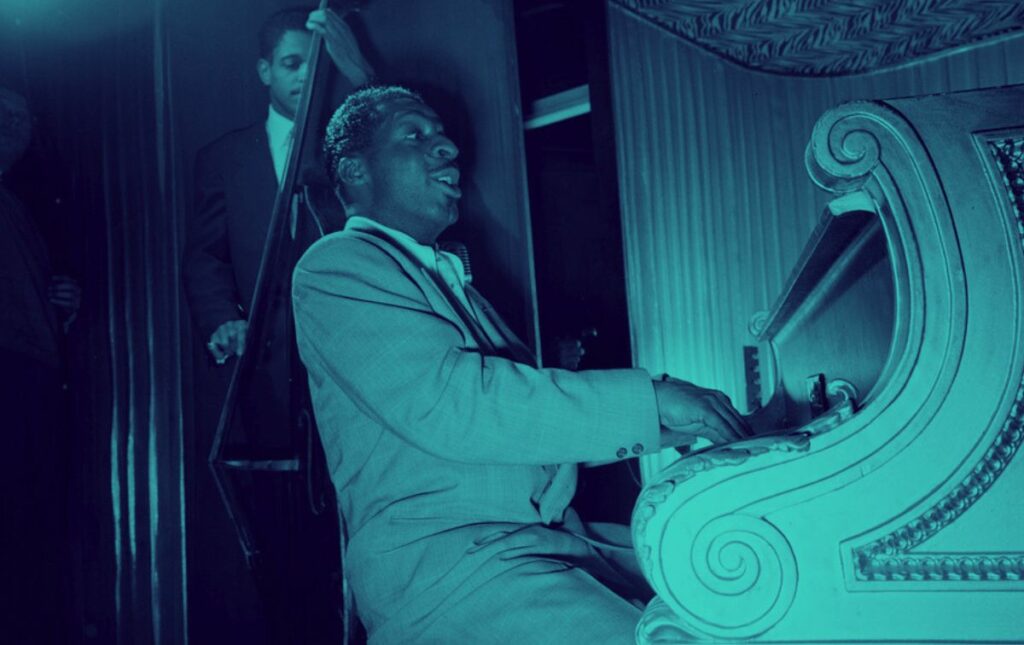
Jazz Chords – The Definitive Guide to Mastery
Jazz chords are at the very heart of why jazz sounds the way it does and as a player, these sounds are essential to have in your ear on a ...

3 Roy Hargrove Minor Exercises on What Is This Thing Called Love
When you start to transcribe and discover what your musical heroes are doing, you begin to open up a whole new understanding about how to improvise and approach chord changes. ...

How to Create a Thematic Jazz Solo (Premium)
Have you ever felt like you’re missing a piece of the puzzle when it comes to improvisation? As if you’re following all the rules, yet still not playing the music ...
Jazz Courses For All Levels
How Tunes Really Work
Jazz Theory Unlocked
Our latest offering is a video lecture series that will give you a strong understanding of harmony and teach you the WHY behind everything in jazz. If you want to make sense of music theory on a deep level, this course is for you.

hear like a pro
The Ear Training Method
This audio course is an in-depth ear training program designed to quickly improve your ear. Inside you'll learn to break free from the written page and play the music you hear. In the process you'll master the sounds of intervals, chords, voicings, chord-tones, progressions and more!
Jazz Language Secrets
Melodic Power
This is a powerful Video & eBook course for all levels, that will guide you through the nuts-and-bolts of how to improvise strong melodies on the most common chords. You'll learn dozens of powerful melodic techniques on all the primary chords types.
Train Your Brain
Visualization for Jazz Improvisation
In this course, you'll discover techniques to mentally master chord symbols, chord tones and common progressions on a deeper level than ever before. Learning to visualize is a crucial step for every jazz improviser, helping them to memorize tunes more easily and think more clearly about chords and progressions.
Master Your Mind
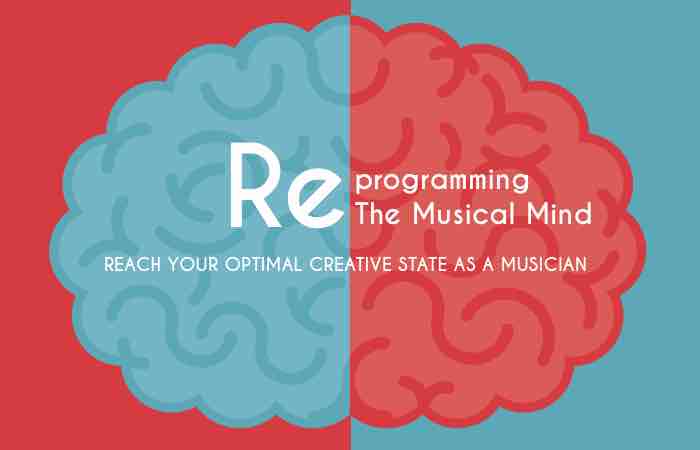
Reprogramming The Musical Mind
This 30 day audio course for every musician will reprogram your mind to reach your optimal creative state as a musician. If you've ever battled with stage fright, self worth, motivation, or just want to feel inspired about playing again, this course will get you there.
Who is Jazzadvice?
We’re Forrest & Eric. We’ve learned from a ton of great players like Mulgrew Miller, Rich Perry, and Harold Mabern, and now it’s our mission to teach you.

Forrest Wernick
Saxophone
From the Bay Area, he's lived in California, Colorado, and New York, learning and playing music. He's studied extensively with Rich Perry, Mulgrew Miller, and a lot of other amazing musicians. When he's not playing saxophone, you can find him traveling, boxing, and training in Muay Thai.
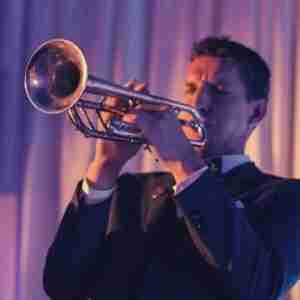
Eric O'Donnell
Trumpet
Originally from Northeast Ohio, he moved 67to New York/New Jersey to go to graduate school. He's studied with greats such as Bill Mobley, Mulgrew Miller, Ingrid Jensen, and many more. In his free time he's usually working out, reading, or training for a marathon.
Premium Lessons
Premium Members get access to special lessons and help keep Jazzdavice alive
How to Create a Thematic Jazz Solo (Premium)
Have you ever felt like you’re missing a piece of the puzzle when it comes to improvisation? As if you’re following all the rules, yet still not playing the music ...
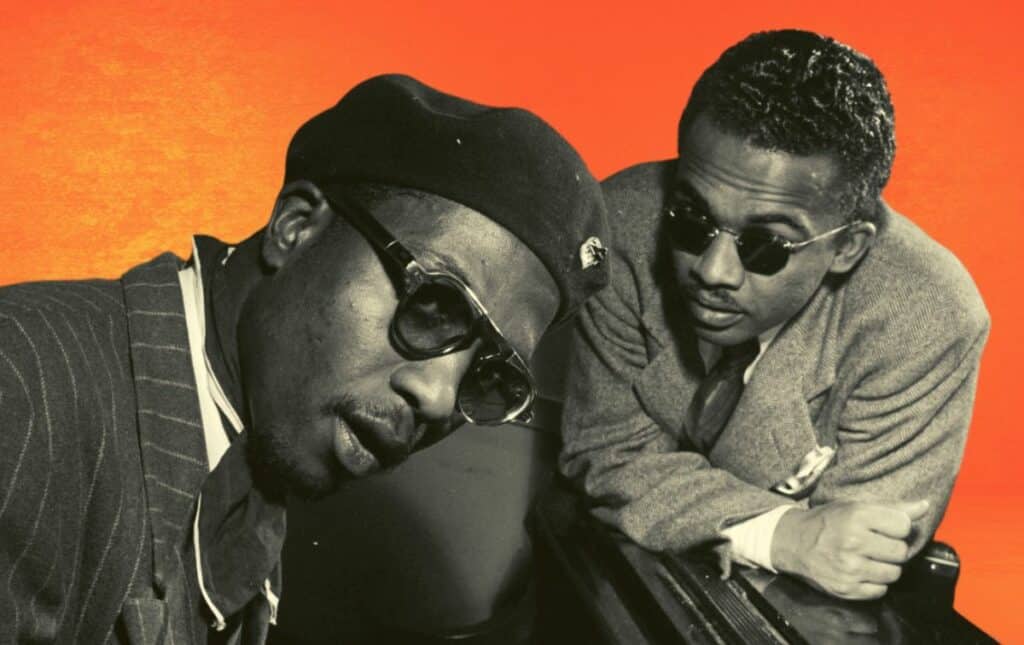
Well You Needn’t – How to Dominate This Jam Session Tune (Premium)
If you’ve ever been to a jam session before, you’ve probably encountered the famous Thelonious Monk tune Well You Needn’t. Over the years, it’s become one of the most popular ...

5 Bud Powell Tunes Every Improviser Should Know (Premium)
Every musician dreams of creating solos full of flowing melodic lines. To play compelling ideas over fast tunes, ballads, complex chord progressions, and standard forms like the blues or rhythm ...
What do you want to Focus on?
Ear Training
Developing your ear leads to improvisational freedom
Transcribing
Learning from the masters is the key to learning jazz quickly
Jazz Standards
Studying the classic jazz repertoire is essential for everyone
What to Practice
Developing good practice habits leads to great results
Jazz Language
Acquiring jazz language is fundamental to improvising
Music Theory
Understanding harmony on a deep level is crucial
Join 100,000+ JA subscribers
If your goal as a jazz musician is to get better fast and have fun doing it, then make sure to join over 100K Jazzadvice subscribers by signing up to our FREE newsletter. Each week, we'll send you powerful resources to keep you moving forward in your jazz journey.